



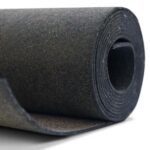
Geotextile Fabric Membrane 150gsm
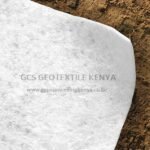
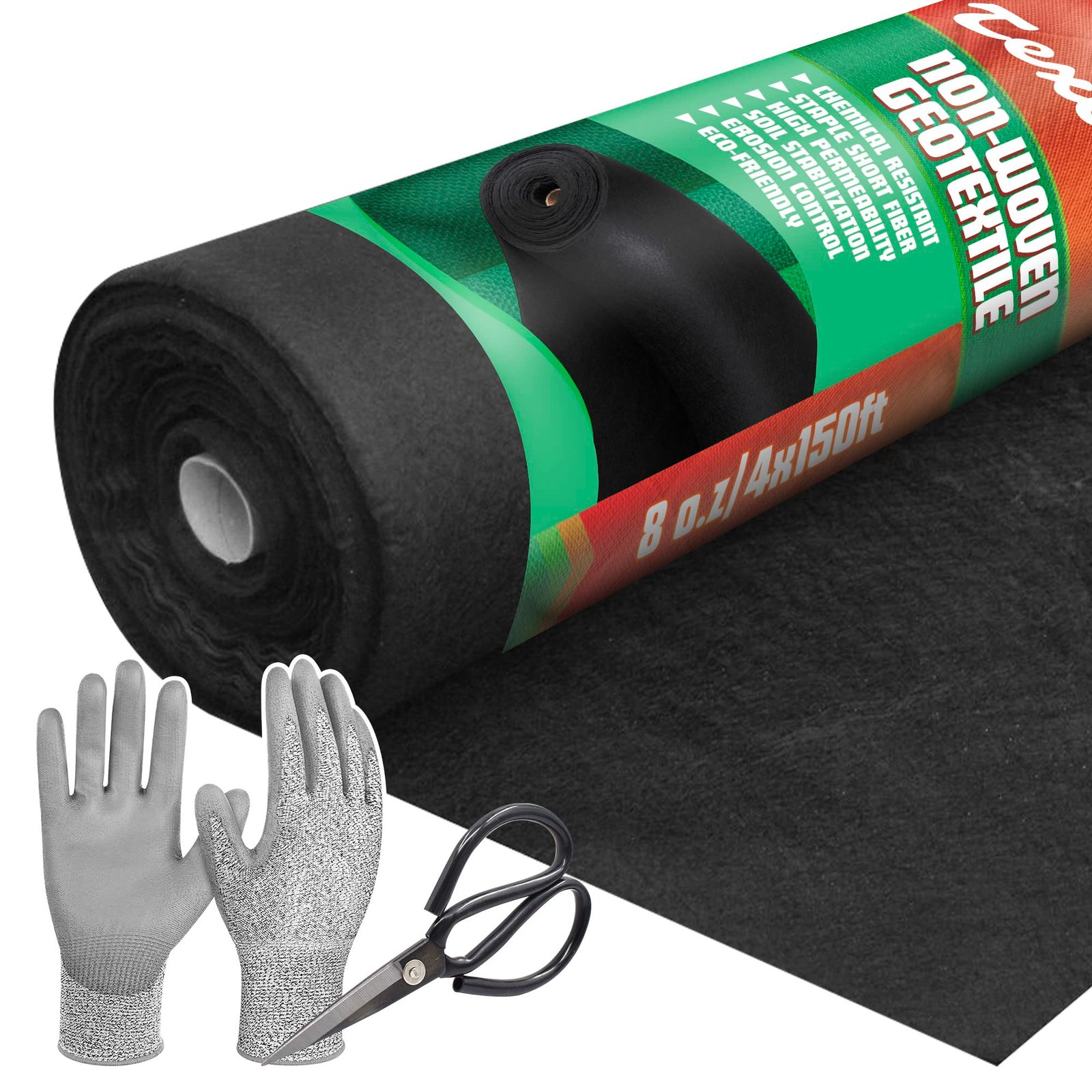
The Trade Geotextile Fabric Membrane 150gsm provides a robust solution for ground engineering projects requiring high-performance separation and filtration. This needle-punched non-woven material creates a permeable barrier that allows water through while retaining fine soil particles. It suits civil engineering tasks, residential driveways, and large-scale drainage systems where ground stability is a primary concern.
Built for the Job
Site supervisors and groundworkers use this membrane to ensure the long-term integrity of paved surfaces and drainage trenches. When building a driveway, the fabric acts as a critical barrier between the subgrade soil and the aggregate sub-base. This prevents the stone from sinking into the soft earth under heavy vehicle loads, maintaining the structural thickness of the road or path. In drainage applications, the material wraps around perforated pipes or fills soakaway crates to filter out silt. Without this protective layer, fine particles eventually clog the system, leading to drainage failure and costly remediation work.
-
Sub-base separation for gravel driveways, access roads, and car parks.
-
Filtration layer for French drains, soakaways, and land drainage.
-
Soil stabilization beneath paving slabs, decking, and synthetic turf.
Product Highlights
- High Puncture Resistance
-
The needle-punched construction offers superior resistance to mechanical damage from sharp crushed stone during aggregate placement.
- Hydraulic Performance
-
- Maintains high water flow rates even under significant soil pressure.
- Prevents hydrostatic pressure buildup behind retaining structures.
Technical Specifications
| Specification | Detail |
|---|---|
| Material Type | Non-Woven Needle-Punched |
| Weight (Mass) | 150gsm |
| Tensile Strength | 10.5 kN/m |
| CBR Puncture Resistance | 1650N |
| Permeability | 90 l/m²/s |
What’s Included
-
1 x Roll of 150gsm Non-Woven Geotextile (Standard Width)
On-Site & Workshop Notes
-
Overlap the edges of the filtration sheet by at least 300mm to 500mm to prevent soil migration at the joints.
-
Avoid leaving the non-woven layer exposed to direct UV sunlight for more than 14 days to prevent fiber degradation.
-
Ensure the subgrade is free of large, protruding debris before installation to maximize the effective lifespan of the barrier.



Reviews
There are no reviews yet.