



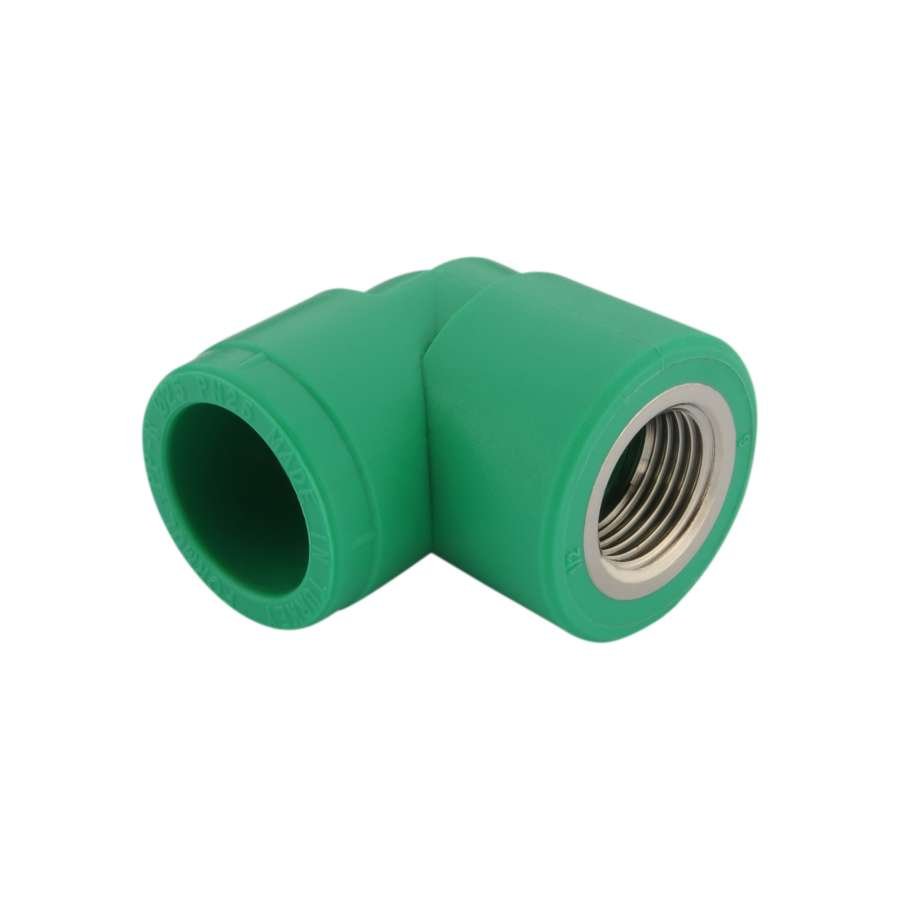



Standard PPR 20mm Elbow
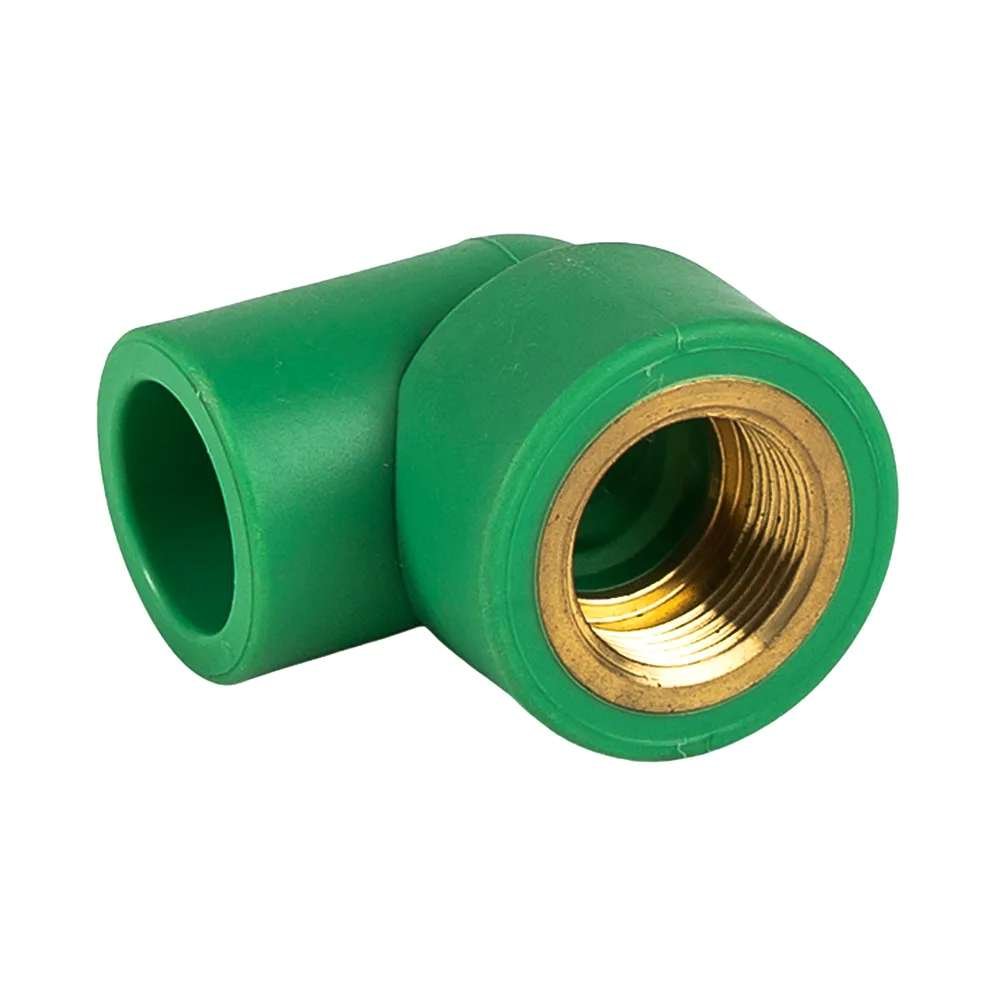
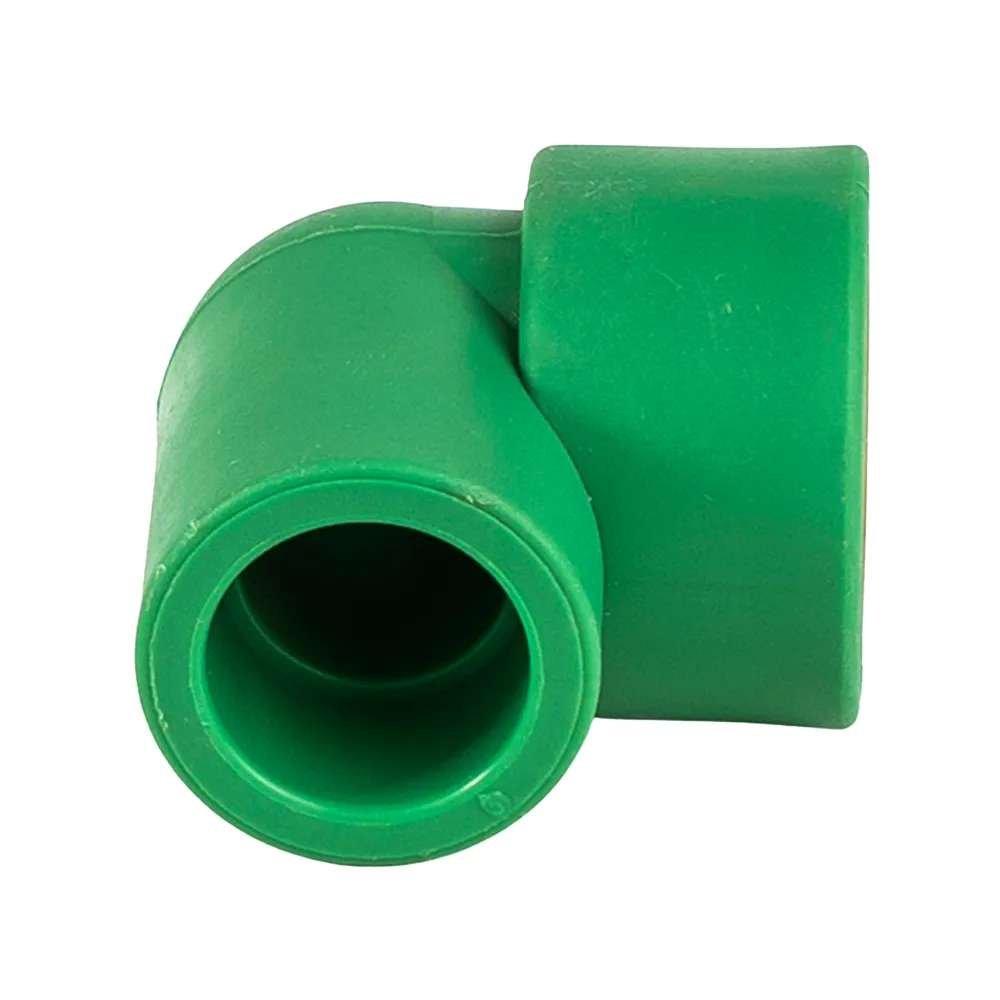
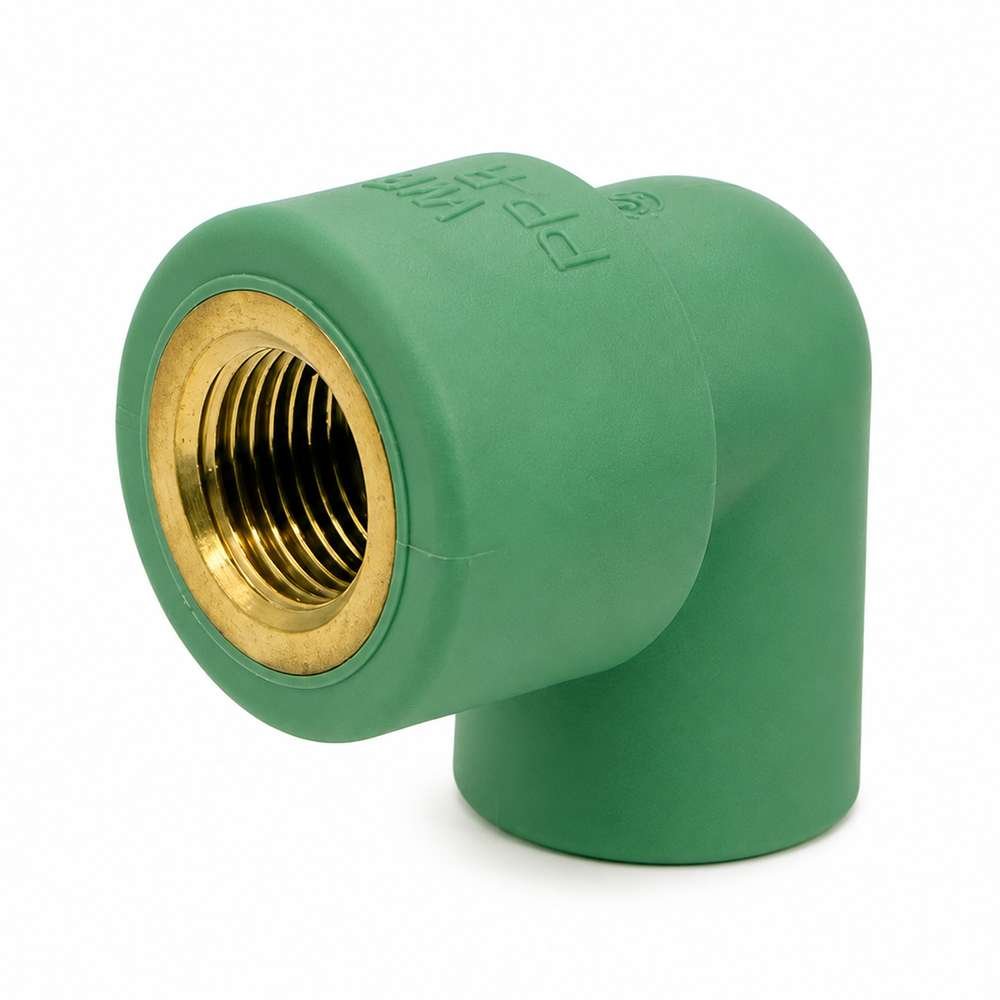
The Standard PPR Female Adapter Elbow 20mm x 1/2 Inch PN25 facilitates a secure 90-degree transition between 20mm Polypropylene Random Copolymer piping and 1/2-inch male threaded components. This heavy-duty fitting utilizes a high-grade brass insert to ensure leak-proof connections in pressurized hot and cold water systems.
Built for the Job
Plumbing contractors utilize this 90-degree connector for terminating pipe runs at tap points, shower mixers, and manifold connections. The PN25 rating makes it suitable for high-pressure environments, including multi-story residential builds and industrial fluid transport. Because the internal bore remains smooth after fusion, it maintains high flow rates and resists scale buildup over decades of service.
-
Terminating water lines for wall-mounted faucets and mixers.
-
Transitioning from PPR mains to metallic valves or flexible hoses.
-
Installation in concealed wall chases for bathroom and kitchen sets.
Product Highlights
- High-Pressure PN25 Rating
-
This fitting withstands working pressures up to 25 bar, providing a significant safety margin for pump-fed systems.
- Reinforced Brass Interface
-
- Deep-seated brass threads resist cross-threading during installation.
- Knurled external brass surface prevents rotation within the plastic housing.
Technical Specifications
| Specification | Detail |
|---|---|
| Pipe Diameter | 20mm |
| Thread Size | 1/2 Inch Female |
| Pressure Class | PN25 |
| Material | PPR-C Type 3 / Brass |
| Standards | DIN 8077 / DIN 8078 |
What’s Included
-
1 x 20mm x 1/2″ PPR Female Threaded 90-Degree Elbow
On-Site & Workshop Notes
-
Ensure the socket fusion welder is set to 260°C before attempting the joint.
-
Maintain a heating time of approximately 5 seconds for the 20mm socket to avoid over-melting the bore.
-
Apply PTFE tape or thread sealant to the 1/2 inch male counterpart to ensure a watertight seal with the brass insert.
-
Avoid excessive torque when tightening metallic fittings into the threaded section to prevent stress cracking in the polymer body.

Reviews
There are no reviews yet.