



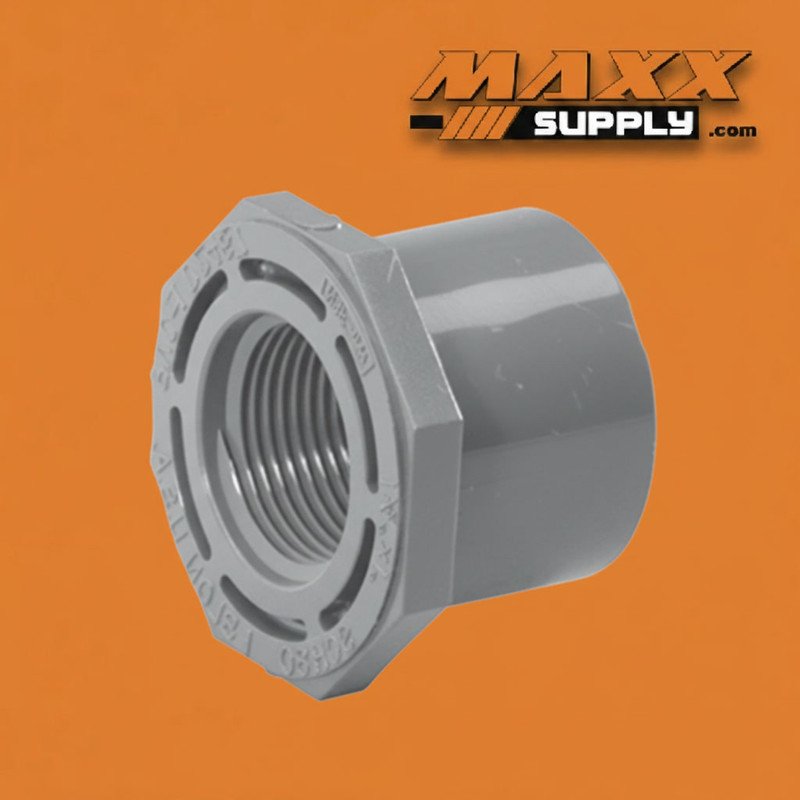

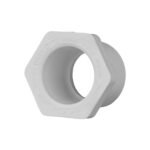




2×1.5 Inch PVC Reducer
The Standard PVC Waste Reducer provides a secure transition between 2-inch and 1.5-inch waste pipes in residential and commercial drainage systems. This high-quality uPVC fitting ensures a leak-proof connection when used with compatible solvent cement. It is designed for non-pressure applications, specifically for gravity-fed waste water removal in kitchens, bathrooms, and utility areas.
Built for the Job
This fitting is essential for site plumbers when adapting larger main waste runs to smaller branch lines from sinks or basins. The stepped design allows for a compact footprint in tight spaces like under-sink cabinets or within floor joists. It withstands standard domestic hot water discharge and resists corrosion from common household detergents and chemicals. The rigid construction maintains its shape under structural loads when buried in screed or installed behind wall partitions.
-
Connecting kitchen sink waste outlets to main 50mm drainage stacks.
-
Adapting bathroom basin traps to larger diameter waste pipework.
-
Reducing pipe sizes in commercial condensate drainage systems.
Product Highlights
- Chemical Resistance
-
The uPVC material remains inert when exposed to most domestic acids, alkalis, and cleaning agents found in greywater.
- Precision Engineering
-
- Tapered internal sockets ensure a tight interference fit before solvent application.
- Smooth internal bore minimizes the risk of snagging hair or debris to prevent blockages.
Technical Specifications
| Specification | Detail |
|---|---|
| Primary Diameter | 2 Inch (50mm) |
| Secondary Diameter | 1.5 Inch (40mm) |
| Material | uPVC |
| Connection Type | Solvent Weld |
What’s Included
-
1 x PVC Waste Reducer (2″ to 1.5″)
On-Site & Workshop Notes
-
Ensure both the pipe exterior and the fitting interior are cleaned with a dedicated pipe primer before bonding.
-
Apply an even layer of solvent cement and insert the pipe with a slight twist to distribute the adhesive.
-
Verify that the reduction direction follows the flow of water to prevent turbulence and potential clogs.
-
Allow the joint to cure for at least 24 hours before performing a full-pressure water test if applicable.
Reviews
There are no reviews yet.